In today’s world, having an insurance policy is key for safety.
An insurance acts as a safety net. It helps against accidents or natural disasters. It helps people and businesses get back on their feet.
There are many types of insurance. Life, health, and property insurance cover different needs. They offer full protection.
Key Takeaways
- Insurance provides financial security against unforeseen events.
- Different types of insurance cater to various needs.
- Having an insurance policy is key for businesses and individuals.
- Insurance helps in recovering from losses.
- Comprehensive protection is ensured through various insurance types.
What Makes Insurance Essential in Today’s World
In today’s fast world, insurance is key. The world is full of surprises, and bad things can happen anytime. Insurance acts as a safety net against these surprises.

The Concept of Risk Management
Risk management is at the heart of insurance. It’s about finding and reducing risks. Insurance companies share risks with many people. This makes risks smaller for each person.
This way, insurance helps people and businesses deal with surprises better. It makes them ready for unexpected things.
Financial Security and Peace of Mind
Insurance gives financial safety. It protects people from losing money in bad times. This keeps families safe and gives them peace of mind.
Insurance lowers stress and worry about risks. It lets people enjoy life more, without constant fear.
The Fundamental Principles of Insurance
Knowing the basics of insurance is key to protecting your money. Insurance works on a few main ideas. These ideas help people and businesses deal with risks.
How Risk Pooling Works
Risk pooling is a big idea in insurance. It means sharing risks with lots of people or groups. This way, insurers can handle losses better.
By sharing risks, insurers can protect people at a fair price. This makes insurance affordable for everyone.

Understanding Premiums and Excess
Premiums and excess are important parts of insurance. The premium is what you pay for coverage. The excess is what you pay when you make a claim.
It’s important to know how premiums work. Also, understanding excess helps you pick the right insurance.
| Component | Description | Impact on Policyholder |
|---|---|---|
| Premium | Amount paid for insurance coverage | Affects the cost of insurance |
| Excess | Amount paid out of pocket when making a claim | Influences claim payouts and premium costs |
The Legal Framework of Insurance Contracts
Insurance contracts have rules to keep things fair. These rules tell everyone what they can expect. Knowing these rules helps you understand insurance better.
Learning these basics helps you make smart choices about insurance. It makes you better at finding the right insurance for you.
Life Insurance: How to Protect Your Family’s Future
Keeping your family safe financially is very important. Life insurance helps a lot with this. It makes sure your family is okay if you’re not there anymore.
Choosing Between Term and Whole Life Policies
Choosing life insurance means picking between term and whole life. Each has its own good points.
Term Life Insurance Features
Term life insurance lasts for a set time, like 10 or 20 years. It’s cheaper and pays out if you die during that time. It’s great for paying off big debts or for your kids’ school.
Whole Life Insurance Benefits
Whole life insurance lasts forever if you keep paying. It also grows a cash value you can use. This kind of insurance gives a guaranteed payout and can grow your money over time.

Calculating Your Life Insurance Coverage Needs
Figuring out how much life insurance you need is key. Think about your debts, funeral costs, and what your family needs. A good rule is to have 5-10 times your yearly income in coverage.
UK Tax Considerations for Life Insurance
In the UK, life insurance payouts are usually tax-free. But, some policies might have tax issues. Always talk to a financial expert to know about taxes on your policy.
Health Insurance: Navigating Private Coverage in the UK
The UK’s healthcare system is mainly the NHS. But, private health insurance can add extra coverage. It can mean quicker specialist treatments and nicer hospital stays.
When to Consider Private Health Insurance
Deciding on private health insurance is up to you. It might be because of long NHS waiting times. Or you might want more control over your health care.
People with ongoing health issues might find it helpful. Or those who want more personal care.
Key benefits include shorter waits for care. You get to choose your hospital and doctor.
Complementing NHS Care with Private Coverage
Private health insurance is not a full replacement for the NHS. Many in the UK have both. This way, they can pick private care when they want and have NHS coverage too.
For example, someone might use the NHS for everyday health needs. But choose private for specific treatments or conditions. This makes their care smoother.
Critical Illness and Income Protection Options
There are more protection options like critical illness cover and income protection. Critical illness insurance gives a lump sum for serious illnesses. It helps with medical bills or other costs.
Income protection gives money if you can’t work because of illness or injury. It keeps your income steady.
These options are key for keeping your finances safe when health issues arise. It’s important to pick the right policies for your situation.
Car Insurance: A Guide for UK Drivers
It’s important for UK drivers to know about car insurance. It keeps them legal and safe on the road.
Car insurance is a must for drivers in the UK. It protects against accidents, theft, and damage. But, picking the right policy can be hard.
Comparing Third Party, Third Party Fire and Theft, and Full Cover
There are three main car insurance types: Third Party, Third Party Fire and Theft, and Full Cover. Third Party is the legal minimum. It covers damages to others and their stuff. Third Party Fire and Theft also protects against theft and fire. Full Cover is the most protection, covering your car too.
| Type of Cover | What’s Covered | Cost |
|---|---|---|
| Third Party | Damages to others, their property | Low |
| Third Party Fire and Theft | Third party damages, theft, fire damage | Moderate |
| Full Cover | Third party damages, theft, fire, own vehicle damages | High |
Legal Requirements and Minimum Coverage in Britain
In the UK, drivers must have Third Party insurance. This covers damages or injuries to others. Driving without insurance can lead to big fines and losing your license.
How to Lower Your Car Insurance Premiums
To lower your car insurance, try these tips: get quotes from different places, make your car more secure, drive less, and keep a no-claims bonus. Also, picking a higher excess can lower your premiums. But, you’ll pay more if you make a claim.
Knowing about car insurance and how to save can help. You can get the right coverage without spending too much.
Home Insurance: Protecting Your Property and Possessions
Knowing about home insurance is important. It helps protect your home and things inside it. This way, you can get back on your feet after unexpected events.
Buildings Insurance: What It Covers
Buildings insurance helps with your home’s structure. It covers walls, roofs, and floors. It’s good for homeowners, as lenders often ask for it.
Key aspects covered by buildings insurance include:
- Damage caused by natural disasters
- Accidental damage to fixtures and fittings
- Subsidence and heave
Contents Insurance: Safeguarding Your Belongings
Contents insurance protects your personal items. It covers things like furniture and appliances. It also covers items you take with you.
Contents insurance is important if you:
- Own valuable items
- Live in an area prone to burglary
- Frequently travel with your belongings
Special Considerations for UK Properties
UK homes face special risks like flooding. It’s key to pick the right insurance for these risks.
Flood Risk Areas
If you live where floods are common, make sure your policy covers flood damage. Some insurers offer special flood insurance.
Listed Buildings
Insurance for listed buildings is different. You need a policy that respects your home’s history.
Home Emergency Cover Options
Home emergency cover helps with sudden problems like broken boilers. It’s an extra option with your home insurance or a separate policy.
Consider home emergency cover if you:
- Want to avoid costly emergency repairs
- Need help outside regular hours
- Have an older home with old systems
Travel Insurance: Essential Coverage for British Travellers
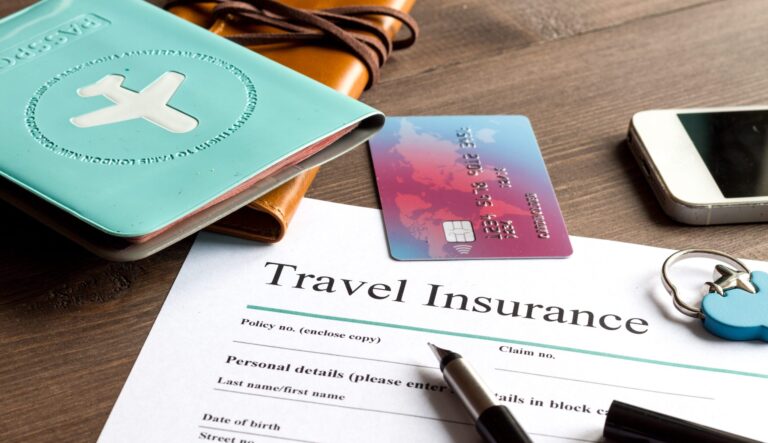
Travel insurance is very important for British travellers. It’s key when you go to foreign places. With more people travelling, the right insurance is vital for a worry-free trip.
Medical Coverage and EHIC/GHIC Limitations
Many British travellers use the European Health Insurance Card (EHIC) or the Global Health Insurance Card (GHIC). But, these cards have limits. They don’t cover all medical costs. Sometimes, they’re not accepted.
So, it’s best to have travel insurance that covers more. It can help with big costs like getting you back home or emergency flights.
Trip Cancellation and Disruption Protection
Trips can be cancelled or changed because of sickness, natural disasters, or travel rules. Travel insurance can help. It can pay back money you’ve lost and extra costs from trip changes.
How to Choose the Right Policy for Your Travel Style
Choosing the right travel insurance depends on a few things. These include the type of trip, where you’re going, and what you plan to do.
Single Trip vs Annual Multi-trip
Decide between single trip and annual multi-trip policies. If you travel a lot, an annual policy might save you money.
Special Activity Coverage
If you plan to do adventure sports or special activities, make sure your policy covers them. Many standard policies don’t.
By thinking about these points and knowing EHIC/GHIC’s limits, British travellers can find the right insurance. This gives them peace of mind and protection on their travels.
Pet Insurance: Caring for Your Animals Responsibly
Pet insurance is key for UK pet owners. It helps keep vet costs down. Knowing the different types is important.
Types of Pet Insurance Policies in the UK
The UK has many pet insurance policies. Each one meets different needs. It’s important to choose the right one for your pet.
Accident-Only Policies
Accident-only policies cover accidents. They are cheaper but offer less protection than other plans.
Time-Limited Policies
Time-limited policies cover certain conditions for 12 months. They are good for those on a budget but may not last long.
Lifetime Cover Policies
Lifetime cover policies are the most complete. They cover ongoing conditions for life, as long as you keep paying. They are best for pets with long-term health issues.
| Policy Type | Coverage | Cost |
|---|---|---|
| Accident-Only | Accidents only | Lower |
| Time-Limited | Specific conditions for a limited time | Moderate |
| Lifetime Cover | Ongoing conditions throughout pet’s life | Higher |
How to Choose the Right Coverage for Different Pets
Choosing the right pet insurance depends on many things. These include your pet’s age, breed, health, and your budget. Some breeds need more care, so choose wisely.
The best policy balances cost and coverage. It should let your pet get the care they need without costing too much.
How to Assess Your Insurance Needs: A Step-by-Step Approach
To make sure you’re covered, follow a simple plan. Look at your money and personal life to find the best insurance.
Step 1: Creating an Inventory of Assets and Liabilities
First, list all your things of value. This includes your home, car, and savings. Then, write down what you owe, like mortgages and loans. This helps you see what you need to protect.
| Assets | Estimated Value |
|---|---|
| Home | £200,000 |
| Car | £15,000 |
| Savings | £10,000 |
Step 2: Evaluating Your Family’s Needs and Dependencies
Think about your family’s needs. This includes kids or older relatives who depend on you. Consider their daily costs and any big expenses you might have for them.
Step 3: Determining Your Risk Tolerance and Budget
Next, figure out how much risk you can handle. Also, see how much you can pay for insurance each month. Finding the right balance is important for choosing the right insurance.
By following these steps, you can choose the right insurance. This way, you protect your money and your family’s future.
The Process of Comparing Insurance Quotes Effectively
In the UK, comparing insurance quotes can save you money. It also makes sure you have the right coverage. With many insurance providers, it’s key to compare quotes well.
Utilising UK Comparison Websites
UK comparison websites are great for comparing insurance quotes. They let you see many quotes at once. This makes it easy to compare prices and what’s covered. Some top sites include:
- Compare the Market
- MoneySuperMarket
- GooD Returns
When using these sites, make sure you compare the same things. Check the coverage, excess, and any exclusions carefully.
Working with Independent Insurance Brokers
Independent insurance brokers offer expert advice and many insurance options. They often get good deals from many insurers. It’s important to:
- Give them all the details about what you need
- Ask about their fees and how they get paid
- Know which insurers they work with
Questions to Ask Before Purchasing a Policy
Before buying insurance, ask these questions:
| Question | Why It Matters |
|---|---|
| What is the total premium, including any fees? | To know the full cost of the policy. |
| What is covered and what is excluded? | To make sure you know what the policy includes. |
| How do I make a claim? | To understand how to claim if needed. |
By asking these questions and comparing well, you can find the right policy. It should fit your needs and budget.
Understanding Insurance Policy Terms and Making Claims
It’s important to know your insurance policy well. This helps you deal with claims better. Policies are agreements between you and the insurer. They say what’s covered, how much, and when you can make a claim.
Deciphering Policy Documents and Key Terminology
Policy documents can be hard to understand. They use legal and technical words. Here are some important ones:
- Premium: This is what you pay to keep your insurance.
- Deductible/Excess: You pay this first before the insurance helps.
- Coverage Limit: The most the insurer will pay for a claim.
- Exclusions: Things not covered by your policy.
The Claims Process: Step-by-Step Guide
Here’s how to make a claim:
- Notify Your Insurer: Tell them as soon as you can after something happens.
- Gather Documentation: Get all the papers you need, like police reports.
- Submit Your Claim: Fill out the form right and add your papers.
- Wait for Assessment: The insurer will look at your claim. They might need to check things.
- Receive the Outcome: If it’s okay, you’ll get paid as your policy says.
What to Do When a Claim is Disputed
If your claim is not accepted, do this:
- Review the Rejection Letter: Know why it was turned down.
- Contact Your Insurer: Talk about it and give more info if needed.
- Seek Mediation: If it’s not sorted, try mediation with an ombudsman service.
Common Insurance Mistakes and How to Avoid Them
Insurance is complex and can be costly if you make mistakes. Policies are meant to protect you from unexpected events. But, errors in choosing or keeping these policies can cause big problems.
The Dangers of Underinsurance
Underinsurance means your coverage is too low. This can leave you in financial trouble if you need to make a claim. To avoid this, know the value of your things and risks. Update your insurance regularly to stay protected.
Overlooking Critical Policy Exclusions
Policy exclusions are things your policy doesn’t cover. Missing these can surprise you when you try to claim. Always read your policy carefully and ask if you’re not sure.
Failing to Review and Update Policies Regularly
Life changes, like moving or having kids, can change your insurance needs. Not updating your policy can mean you’re not covered right. Check your policy often to make sure it’s right for you.
The Future of Insurance in the United Kingdom
The UK’s insurance world is changing fast. New tech, different customer wants, and rules updates are leading the way. We’re seeing new trends that will change the industry.
Data analytics and AI are becoming big in insurance. They help make policies better fit each person. They also make checking claims easier and faster. This digital move will make things better for customers and companies.
There’s also a big push for insurance that’s good for the planet. Companies are now thinking about the environment and social issues. This means new insurance options that are kinder to our world.
As things change, it’s key for everyone to keep up. Knowing about these changes helps people choose the right insurance. It also helps companies stay ahead in a fast-changing market.
FAQ
What is the importance of having car insurance in the UK?
How does home insurance protect my property and possessions?
What are the benefits of having life insurance?
How does travel insurance work for British travellers?
What are the different types of pet insurance policies available in the UK?
How do I assess my insurance needs?
What is the process of comparing insurance quotes effectively?
How do I understand insurance policy terms and make claims?
What are common insurance mistakes and how can I avoid them?
How can I lower my car insurance premiums?
What is the role of health insurance in complementing NHS care?
About the Author